
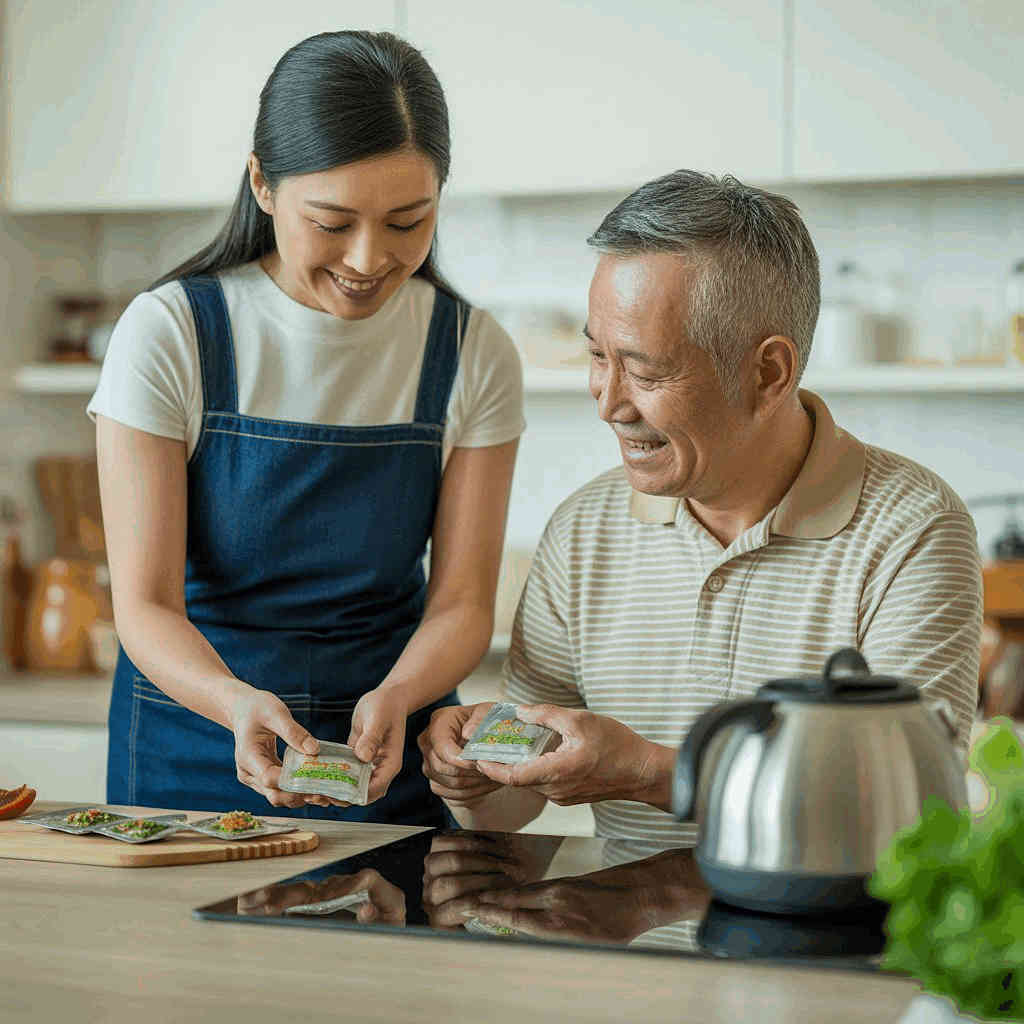
A Severely UNDER-REPORTED Story: Freeze-Dried Foods Transform Elderly Care
Freeze-dried foods are emerging as a powerful but under-reported tool to support senior nutrition, particularly for older adults facing taste loss, chewing or swallowing problems, and low motivation to cook. When used in soups, fruits, snacks, or vegetable powders, they can deliver concentrated nutrients with lower sodium and higher variety than many canned or ready-to-eat options, while aligning well with meal-delivery and senior-focused meal kit models.
The Silent Crisis of Senior Malnutrition
Malnutrition and poor diet quality are widespread yet often “invisible” problems in older adults, especially those living alone or managing multiple chronic conditions. Recent reviews highlight that physiological changes, loneliness, and difficulty accessing or preparing food all contribute to undernutrition, which then accelerates frailty, falls, hospitalizations, and loss of independence.
Many primary-care and community services still under-detect nutrition risk in older adults, so declining appetite, weight loss, and reduced food intake may go unaddressed until health has already deteriorated. This “silence” around food risks makes low-effort, high-impact nutrition interventions particularly important, including shelf-stable, easy-to-prepare foods that fit into daily routines.
Taste Loss, Chewing Issues, and Appetite
At the same time, many older adults develop chewing and swallowing problems (dysphagia), requiring soft, smooth, moist textures and often pureed or modified foods to eat safely. Reviews of “aged foods” emphasize that texture-modified, attractive, flavorful foods are essential for seniors with oral and swallowing limitations, and that poor sensory quality in these diets directly harms appetite and nutrition
Freeze-drying removes water while preserving structure, micronutrients, and flavors better than many other shelf-stable methods, and products can be rehydrated to soft, easy-to-swallow textures. This makes freeze-dried fruits, vegetables, and proteins ideal for seniors with diverse nutrition challenges.
Because freeze-dried ingredients are light, stable, and quick to prepare, they can reduce the physical and cognitive burden of cooking for older adults who are tired, have mobility limits, or feel overwhelmed by shopping and meal prep. Unlike many canned soups and ready meals, senior-focused formulations can target lower sodium, controlled sugars, and higher-quality protein, aligning with recommendations for cardiovascular and metabolic health in older age
Meal Kits, Delivery, and Senior-Focused Innovation
Meal delivery and meal kit services tailored to seniors are expanding, offering portion-controlled, nutritionally balanced meals that require minimal preparation. These services increasingly segment by health needs (e.g., low sodium, diabetic-friendly, high-protein for muscle maintenance) and emphasize convenience and variety for older adults who may not shop or cook regularly.
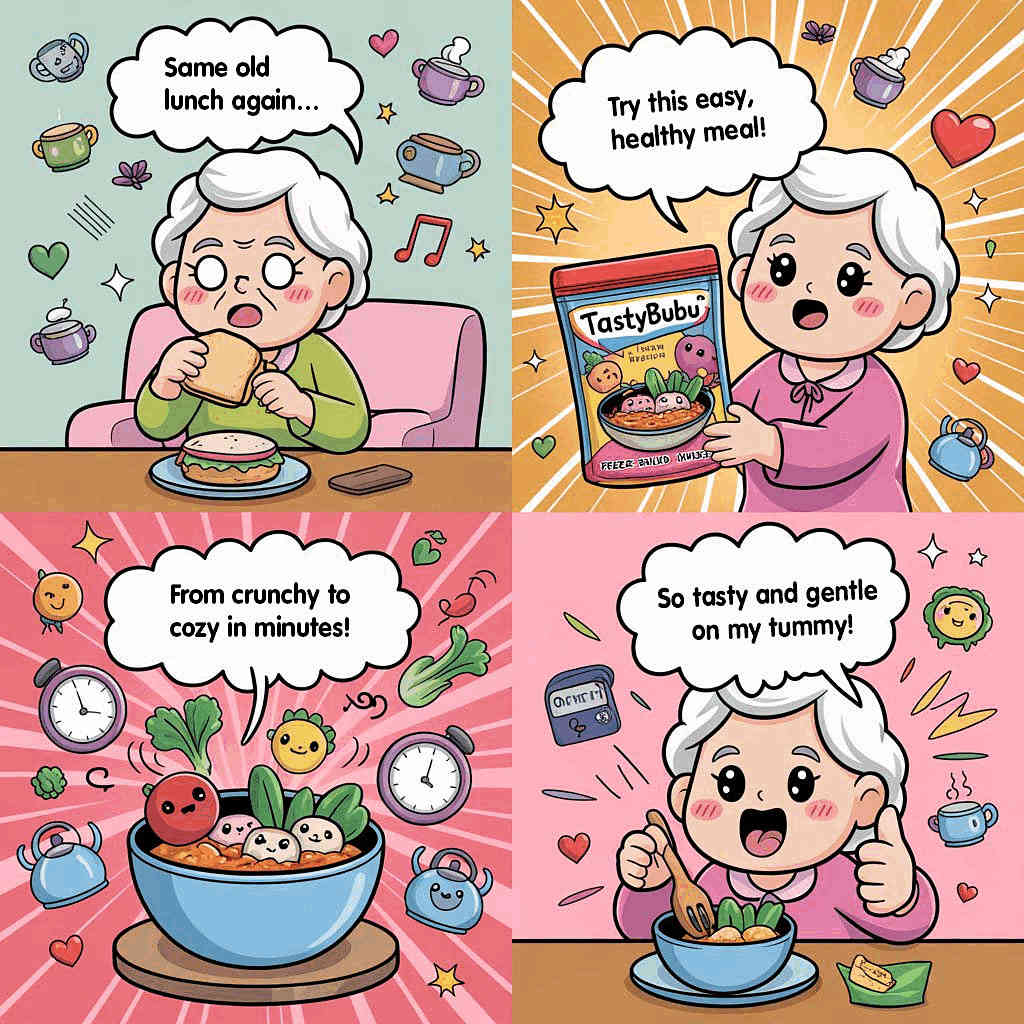
Freeze-dried components integrate naturally into these models: companies can ship compact, shelf-stable soups, sides, and smoothie or porridge boosters that seniors or caregivers rehydrate in minutes, ensuring consistent access to nutrient-dense food even when refrigeration, shopping, or frequent cooking are challenging. Emerging technologies such as 3D food printing are also being explored to turn purees and powdered ingredients into visually appealing, texture appropriate meals for those with dysphagia, further supporting dignity and enjoyment at mealtimes.
Why Freeze-Dried Foods Fit Seniors’ Needs
Freeze-dried foods preserve nutrients and flavor and can be easily rehydrated for senior-friendly, soft textures. These foods reduce cooking effort and can be tailored for low sodium, controlled sugars, and higher protein, supporting cardiovascular and metabolic health needs.
Meal Kits, Delivery, and Senior-Focused Innovation
Senior-targeted meal kits and delivery services offer balanced, easy-to-prepare meals suited for common age-related conditions. Freeze-dried components boost convenience and nutrition, while innovations food technology are helping further improve texture, variety, and dignity at meal times.
SOURCES
- Breaking the Silence on Food Risks for Elderly People (International Journal of Environmental Research and Public Health, 2024) https://pubmed.ncbi.nlm.nih.gov/39203793/
- Food Processing and Nutrition Strategies for Improving the Health of the Elderly (Foods, 2024) https://pubmed.ncbi.nlm.nih.gov/38254516/
- Flavor enhancement of food improves dietary intake and nutritional status in elderly nursing home residents (Journal of Gerontology, 2001) https://pubmed.ncbi.nlm.nih.gov/11283191/
- Food for the elderly based on sensory perception: A review (Critical Reviews in Food Science and Nutrition, 2022) https://pubmed.ncbi.nlm.nih.gov/36161227/
- Senior Meal Delivery Services Are a Game-Changer for Healthy Living (Farm to Fit, 2024) https://farmtofit.com/blogs/article/why-senior-meal-delivery-services-are-a-game-changer-for-healthy-living
- Tastybubu News and Learning Articles